Research
Wu Ecological and Evolutionary Physiology Lab
FRAMEWORK
Our research integrates physiological principles with ecological and evolutionary theory to understand how species respond to environmental and anthropogenic change across space and time. We combine experiments, field observations, data synthesis with simulation-based and statistical models to develop causal models that can help inform conservation practices.
Some example research that incorporate this framework include:
APPROACH
EXPERIMENTAL
We use experimental approaches to examine a range of physiological, behavioural, and developmental responses. Experiments allow us to tease out cause-and-effect relationships which are important for developing causal models and a mechanistic understanding.
Example research:

FIELD-BASED
Data from free-ranging animals and their habitat provides important information on how animals work in the real-world and allow experiments to be validated under ecologically-relevant conditions.
Example research:
COMPARATIVE & SYNTHESIS
We incorporate 'big data' synthesis to understand broad-scale ecological and evolutionary patterns. We also use meta-analytic approaches to reveal commonalities, differences, and bias in studies that ask similar questions.
Example research:
- •Size-reproductive scaling relationship
- •Physiology explains dispersal and activity
- •Sublethal effects of UV radiation
SIMULATION-BASED
We also use mechanistic models to understand nonlinear, complex phenomena based on explicit processes. For example, biophysical models can be used to calculate an organism's body temperature given its traits and surrounding microclimate to predict activity, phenology, energy use, and survival.
Example Research
Emerging Infectious Disease
Infectious diseases are a growing threat for biodiversity worldwide. Given their negative ecological and socioeconomic repercussions, it is crucial to predict the likely exposure and sensitivity of populations to the global spread of pathogens.
Chytridiomycosis
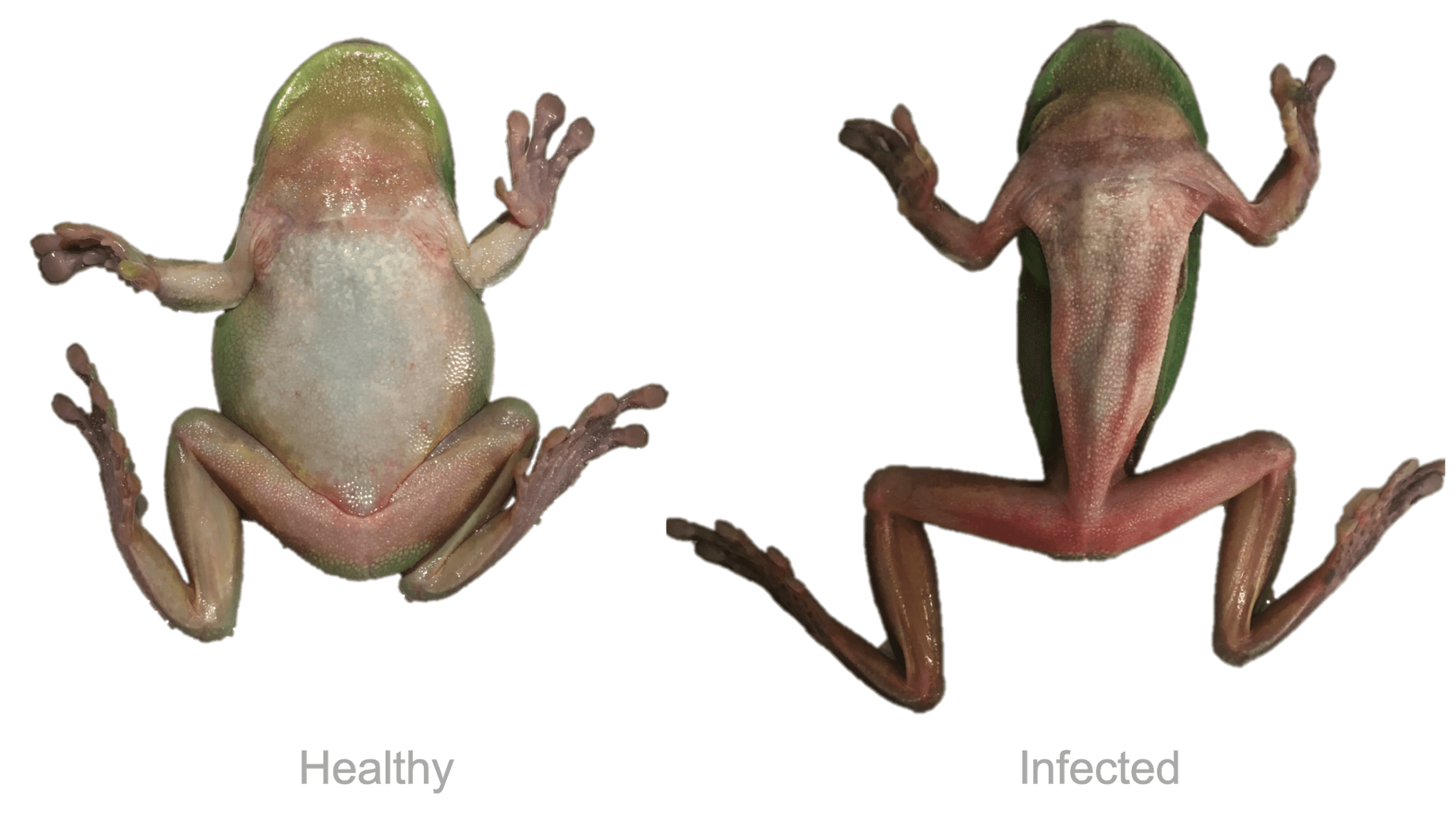
This work contributed to understanding how a lethal fungal disease, responsible for the largest loss of vertebrate biodiversity from a single disease, causes mortality in amphibians by examining disruption at the site of colonisation—the skin. We explicitly linked how the disease altered molecular and cellular processes relating to skin function [1, 2, 3], and smaller infected frogs have higher physiological costs, which may explain size-specific mortalities observed in the wild [4]. Our work helped to understand the causal mechanisms for how frogs die from this disease, while also highlighting the role of physiological approaches to understanding ecological threats [5]
White-nose syndrome
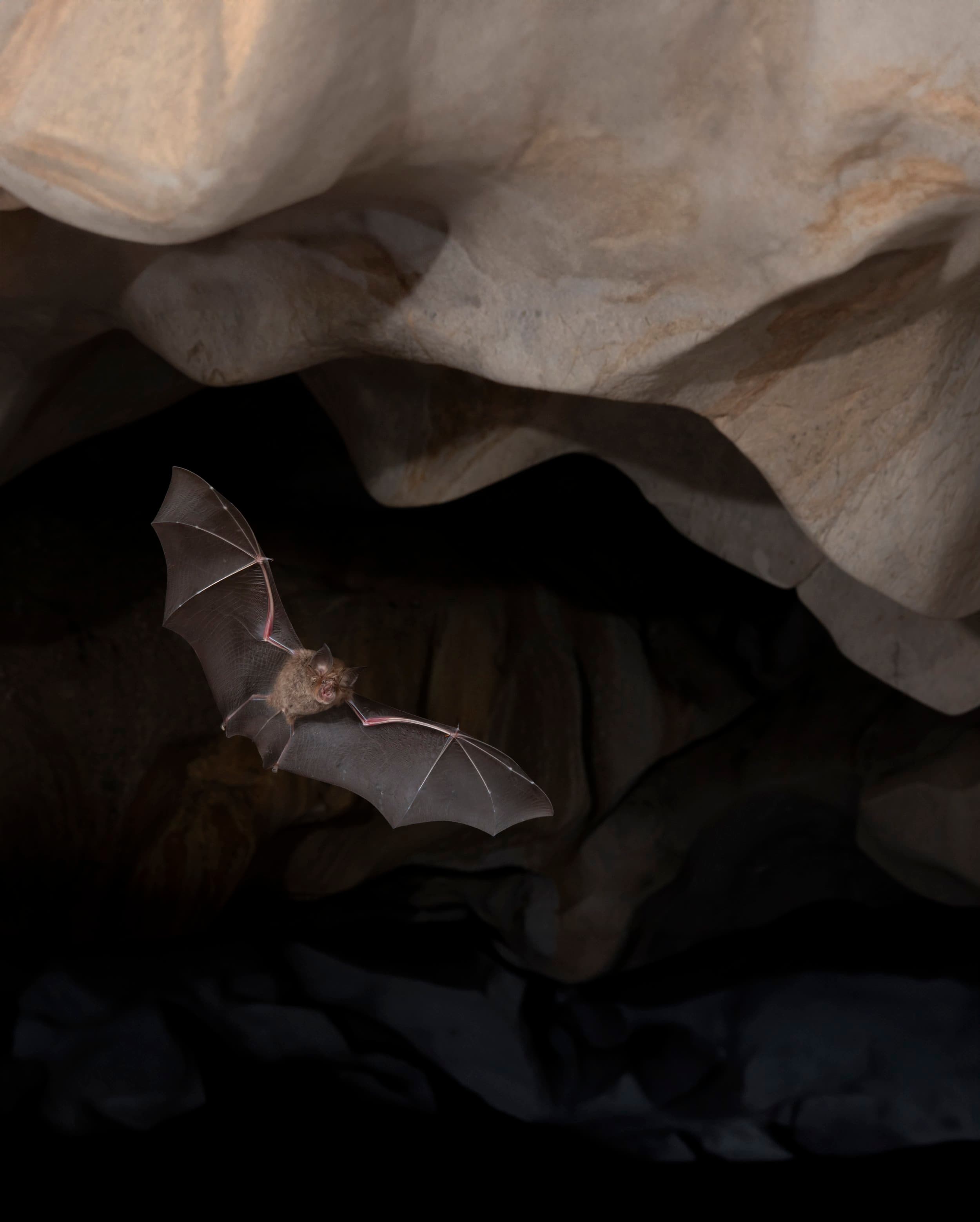
This fungal disease has killed millions of hibernating cave-roosting bats across North America since its introduction in 2007. If this fungus is introduced to Australia, WNS could pose similar threats to our native bats [6]. We find 90% of winter hibernation caves had microclimates suitable for the fungus to grow, and the wintering biology are compatible with North American cave-roosting bats in similar climates [7]. Our research suggests that Australian cave-roosting bats are at high risk of being infected by the fungus that causes WNS.
Anthropogenic Change
Human-driven environmental change is accelerating at an unprecedented rate, reshaping ecosystems and the distribution and persistence of wildlife populations worldwide. Among them include climate change and its interacting effects with ecologically novel stressors such as land use and pollutants on biodiversity.
Renewable energy
The accelerating development of renewable energy has been important in mitigating fossil fuel-induced climate change. But the rapid development and operations of solar farms, wind turbines, and the mining of critical resources can negatively impact wildlife. Here, we use statistical and physiological tools to better understand and predict the potential impacts of renewable energy development (microclimate change, movement connectivity, and sensitivity to pollutants), as well as the adaptive potential of wildlife to survive in a renewable energy world. Our findings help with designing wildlife-friendly renewable energy infrastructure.
Plastic pollution
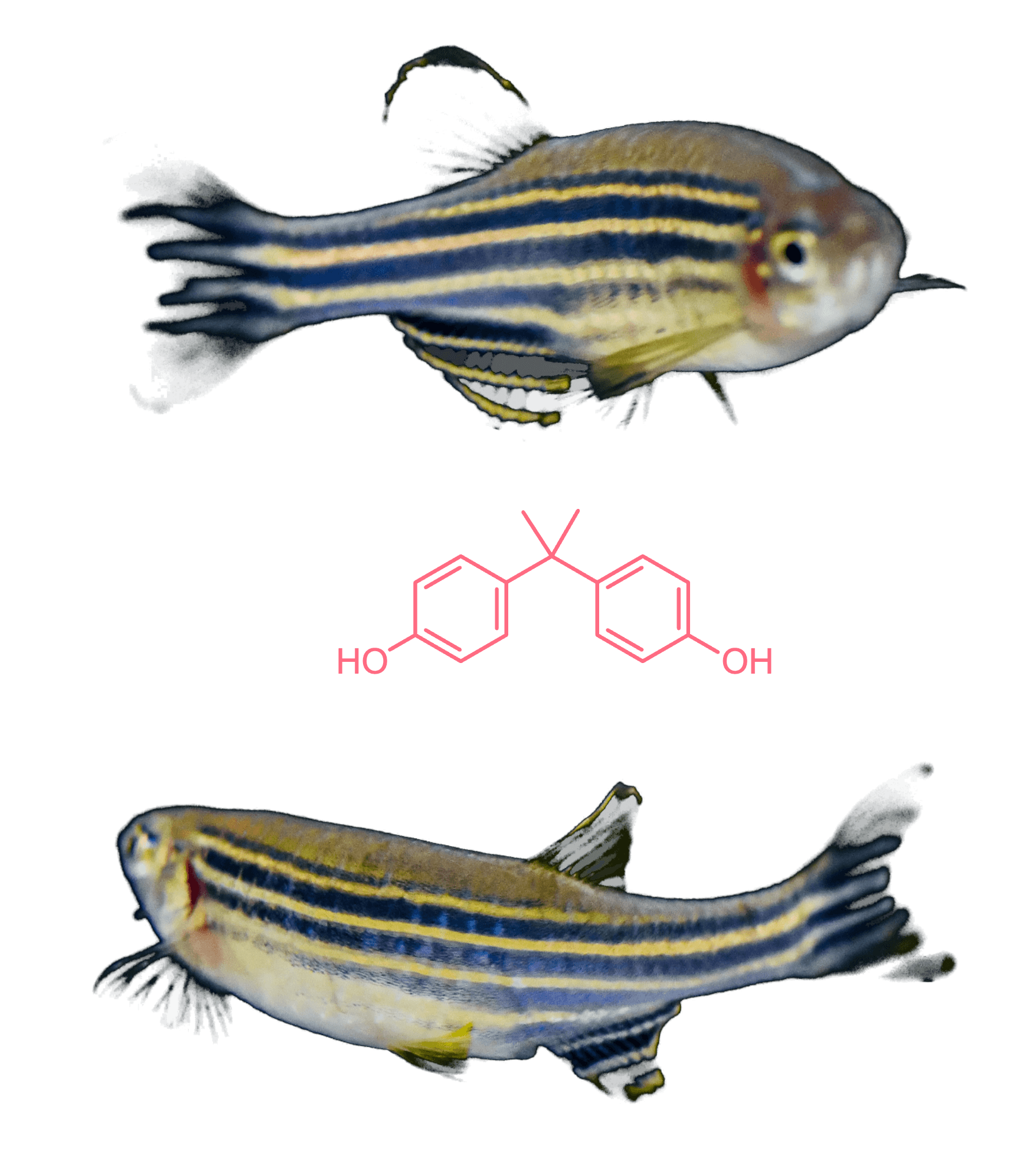
Plastic pollution is a monumental global environmental and health problem, and Australia has one of the highest exposures to bisphenol A (BPA), a plastic leachate. We show that BPA exposure has widespread impact on aquatic organisms across the literature [1]. Using experimental approaches, we show BPA exposure at ecologically relevant concentrations can disrupt the thermal responses of swimming performance of adult fish [2], and the energetic cost of growth of juvenile fish [3]
Microclimates & Climate Change
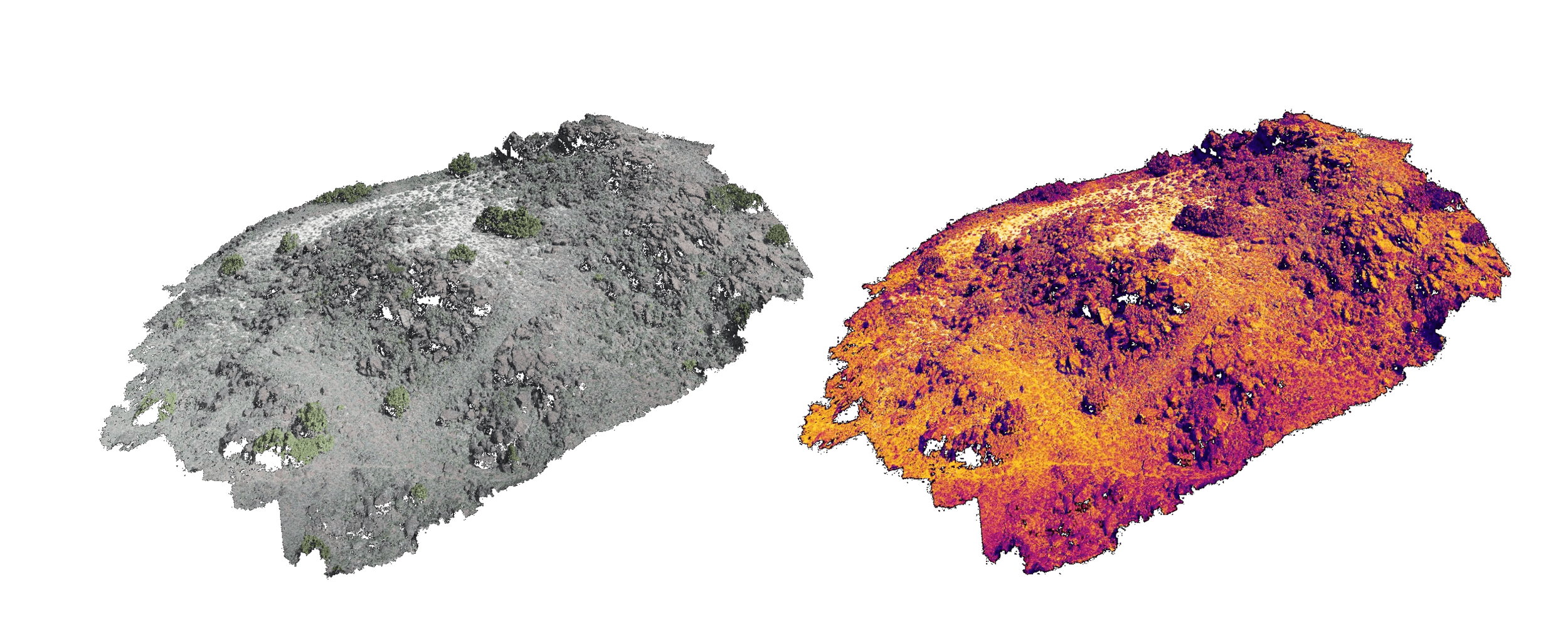
Realistic predictions of how animals will respond to and survive climate change require a detailed understanding of how animals interact with their microclimate.
Microclimates can buffer the effects of climate change by creating localised conditions that reduce temperature extremes, retain moisture, and provide thermal refugia for species and raising young. Some example research around this theme include the effects of sand substrate and temperature on burrowing energetics [1] and burrow use [2] of lizards, how shaded habitats influence the thermoregulation of snakes [3], and predicting warming risk [4, 5] and drying risk of amphibians [6] using mechanistic models.
Curiosity-Driven Research
We also use curiosity-driven research to better understand ecological and evolutionary patterns observed in nature.
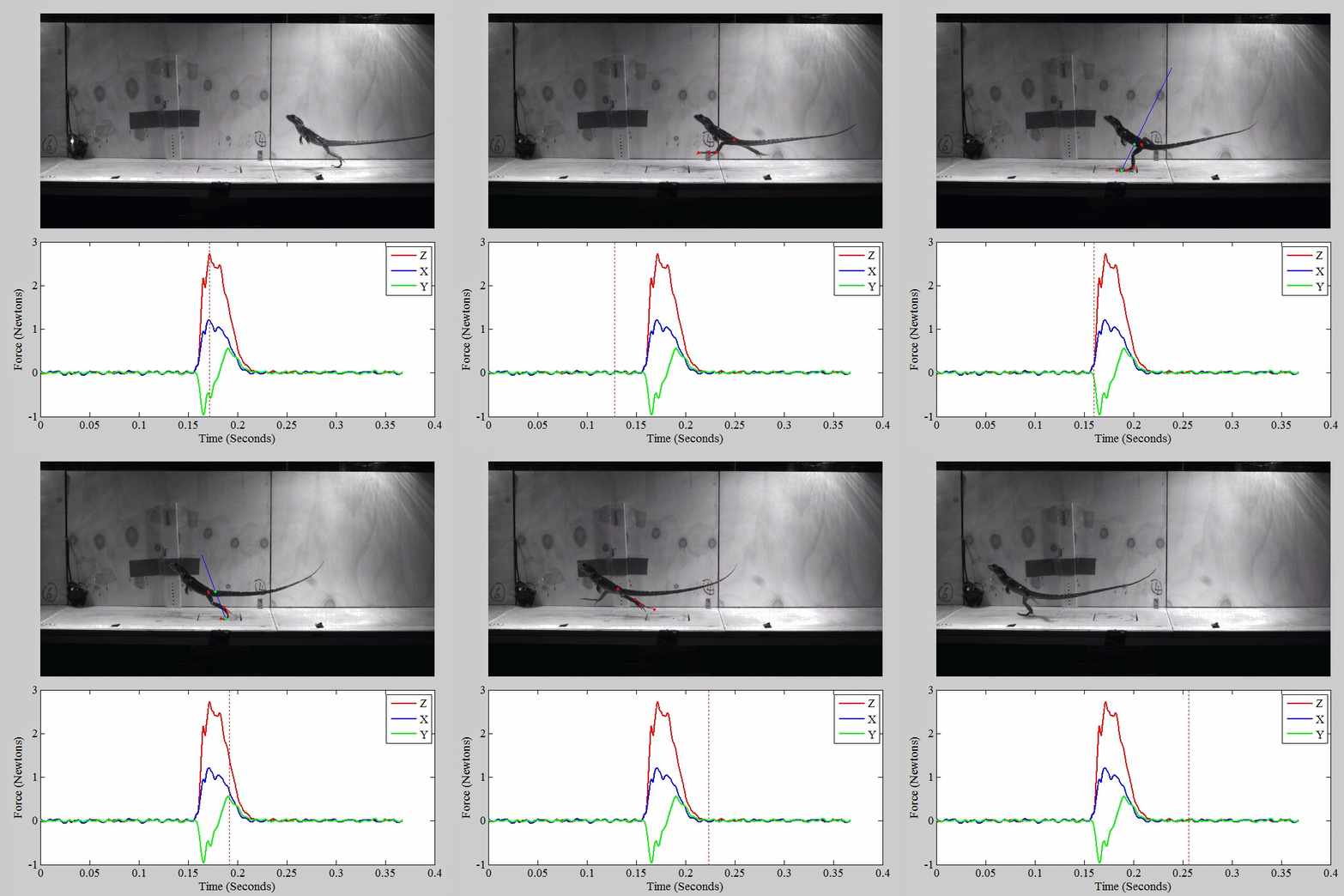
- 1How agamid lizards are able to achieve running on two-legs with implications for robotic designs [1]
- 2If tuatara are able to discriminate scent from within and/or between populations [2]
- 3How does size-scaling relationships influence the reproductive output and population trajectories of sea turtles [3]
- 4Does physiology explain individual-variation in activity, dispersal, and exploration [4]
Interested in Our Research?
Explore our publications for detailed findings or join our team to contribute to these research areas.